


Nicaragua Marks National Dignity Day, 99th Year
Nicaragua marks 99 years since Sandino rejected a U.S.-backed pact, reaffirming sovereignty and defense.
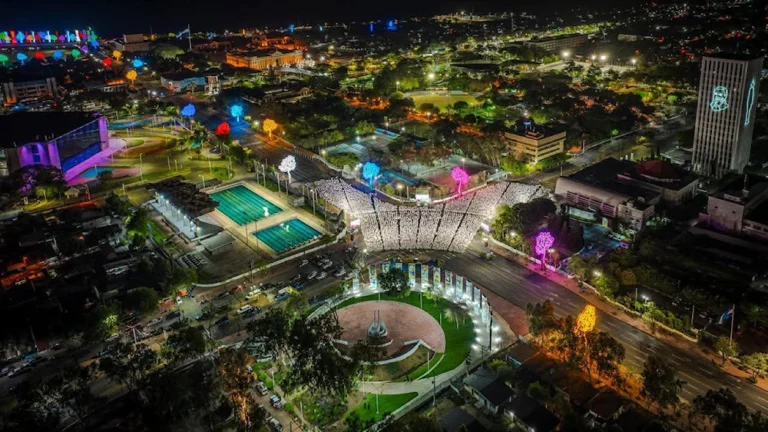
National Dignity Day commemoration centered on Sandino’s legacy and sovereignty. Photo: @12comnica8342
May 5, 2026 Hour: 1:19 am
🔗 Comparte este artículo
Nicaragua recalls Sandino’s anti-imperialist stand and reiterates sovereignty and peace agenda
Nicaragua marked the 99th anniversary of National Dignity Day on Monday, commemorating General Augusto C. Sandino’s 1927 rejection of a U.S.-backed agreement and reaffirming national sovereignty, according to statements by Co-President Daniel Ortega.
RELATED: Nicaragua Congratulates Djibouti and Iraq Leaders on Election Victories
The date honors Sandino’s refusal to sign the Espino Negro Pact on May 4, 1927, an agreement imposed by the United States that sought to maintain a conservative government and disarm national forces. His decision marked the beginning of an anti-imperialist struggle against foreign intervention and domestic power structures that perpetuated inequality.
During the commemoration, Ortega highlighted the role of the Army for the Defense of National Sovereignty, organized by Sandino and composed largely of peasants and workers, in confronting U.S. military presence. He said their example “remained forever etched in the soul and heart of the Nicaraguan people.”
Text Reads: Nicaragua’s commemoration of National Dignity Day.
Ortega also referred to what he described as ongoing external pressure against Nicaragua, including actions carried out through social media and foreign-funded media outlets. He said these efforts seek to instill fear among the population, but affirmed that the country has overcome previous crises, including the events of 2018.
In his remarks, Ortega drew a comparison with Cuba, stating that the island has faced invasion attempts for more than six decades, reflecting the strength of those who have “lost their fear of fear.”
The Nicaraguan leader also criticized security conditions in the United States, where some Nicaraguan opposition figures reside. He said that “those who left Nicaragua now face threats of deportation, and some have died under unclear circumstances in U.S. territory, whether due to killings or accidents.” He further pointed to high levels of crime and questioned U.S. gun laws, arguing they allow broad access to firearms.
Text Reads: Text Reads: Ortega Criticizes Security in the U.S. and the Return of Opponents 🔴 The co-president of Nicaragua highlighted the high mortality rate of Nicaraguans, Latin Americans, and U.S. citizens due to the “extremely high” crime rate in that country. 🔴 He questioned security in the United States, where, according to him, “even a child can carry a rifle” due to legalized gun laws. 🔴 The commander noted that some have died in the U.S. under unclear circumstances, whether from murder or accidents.
Reaffirming his government’s position, Ortega said Nicaragua remains committed to peace but retains the right to defend itself in the event of aggression. He added that national dignity continues to be a defining value for the population.
The government also reiterated plans to expand public infrastructure, including schools, technical education programs and sports activities, as part of its development agenda.
National Dignity Day marks what authorities describe as a turning point in the country’s history, transforming a moment associated with surrender into a symbol of resistance, sovereignty and self-determination. Its legacy is also linked to later political processes, including the Sandinista Popular Revolution, and is presented as a reference point for national identity and civic values.